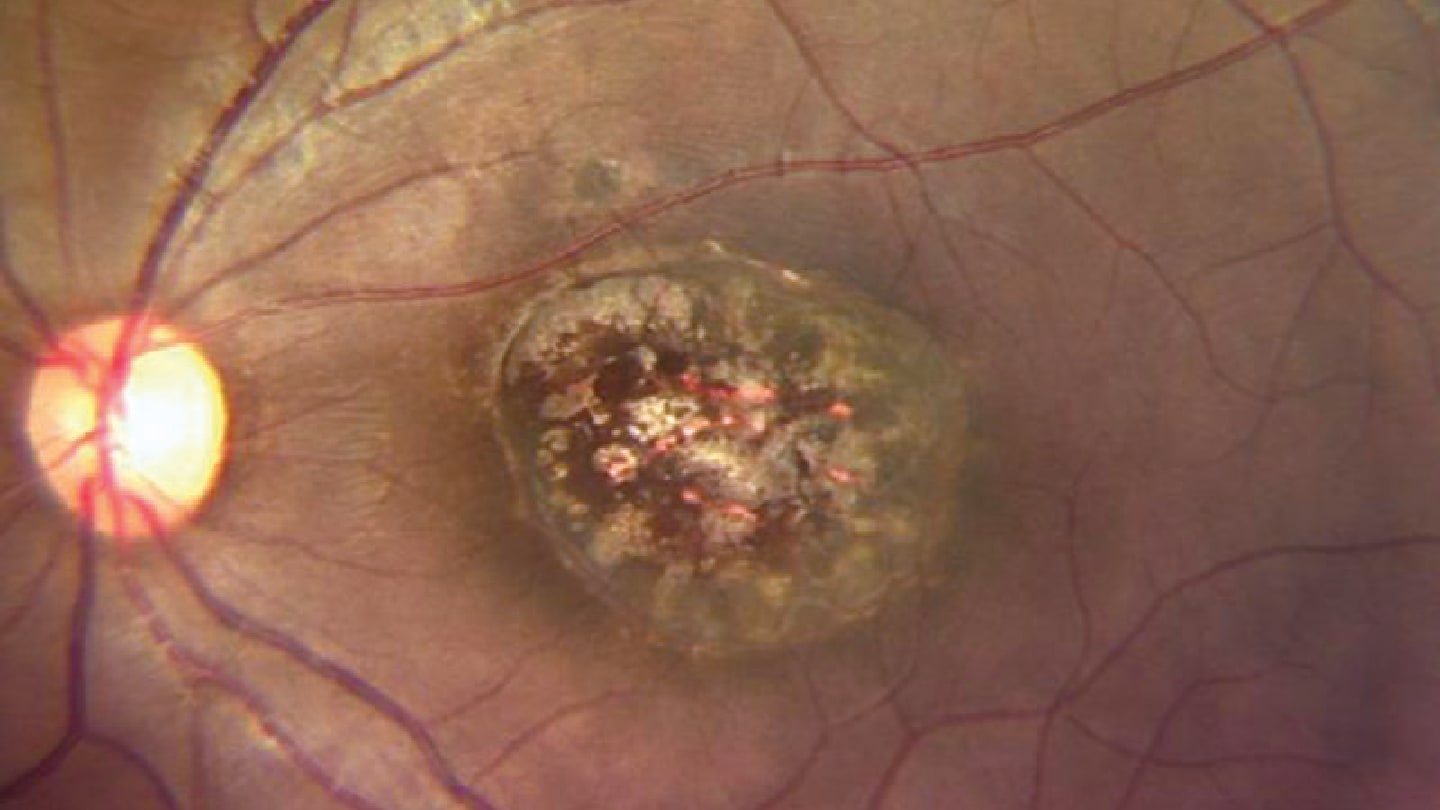
Patients with ocular toxoplasmosis who sleep between six and eight hours per night may be less likely to experience disease recurrence, according to a new retrospective study that also highlights potential links between psychological stress, pregnancy, and reactivation risk.
Published in the Journal of Ophthalmic Inflammation and Infection, the study examined long-term outcomes in patients treated for ocular toxoplasmosis (OT) at the University Hospital of Verona, Italy. Ocular toxoplasmosis remains the leading cause of infectious posterior uveitis worldwide and is notorious for its recurrent course, which can lead to cumulative retinal damage and vision loss.
The investigators reviewed records from 86 patients treated between 1996 and 2023. Forty-three patients completed at least 18 months of follow-up and were included in the analysis, with a median follow-up period of eight years. During that time, 21 patients experienced at least one recurrence, with the median time to first recurrence slightly exceeding six years. The cumulative probability of recurrence reached 58 percent by seven years.
One of the study’s most intriguing findings involved sleep duration. Patients who reported sleeping between six and eight hours per night demonstrated a significantly lower risk of recurrence than those sleeping fewer or greater numbers of hours. The study authors speculate that adequate sleep may support immune regulation and improve resilience to physiological stress, potentially reducing the likelihood of reactivation of dormant Toxoplasma gondii cysts.
Stress-related factors also appeared to influence outcomes. Patients who reported major life events – such as bereavement, examinations, or other significant stressors – before diagnosis or recurrence tended to experience more relapses than expected. Although the association did not reach conventional statistical significance, the researchers describe the findings as suggestive and worthy of further investigation.
Pregnancy emerged as another notable factor. Women who became pregnant after their initial OT diagnosis experienced an estimated threefold higher risk of recurrence compared with women who did not become pregnant. While the study was underpowered to confirm a statistically significant association, the finding aligns with previous reports suggesting that immunological changes during pregnancy may facilitate reactivation of latent infection.
By contrast, many traditionally suspected risk factors showed little influence on recurrence risk. The researchers found no significant associations with age, sex, ethnicity, smoking, alcohol use, vitamin deficiencies, autoimmune disease, immunosuppressive therapy, vaccination status, cat ownership, raw meat consumption, occupational soil exposure, or evidence of primary infection at presentation.
The study also compared two commonly used antimicrobial regimens: trimethoprim-sulfamethoxazole and pyrimethamine-sulfametopyrazine. Recurrence rates were numerically lower among patients treated with trimethoprim-sulfamethoxazole, although the difference was not statistically significant. Investigators did observe a trend toward better long-term visual acuity in patients receiving trimethoprim-sulfamethoxazole, but again, the finding did not reach statistical significance.
The researchers did not observe the clustering of recurrences shortly after diagnosis that has been reported in previous studies. Instead, recurrence risk remained relatively steady over time, suggesting that patients may require long-term monitoring even years after an apparently successful treatment episode.
While limited by its retrospective design and relatively small cohort, the study raises the possibility that lifestyle and physiological factors – particularly sleep patterns, stress exposure, and pregnancy – may play a meaningful role in determining which patients are most vulnerable to recurrent ocular toxoplasmosis. The study authors suggest that identifying these higher-risk individuals could help guide future prophylactic strategies and long-term follow-up planning.
