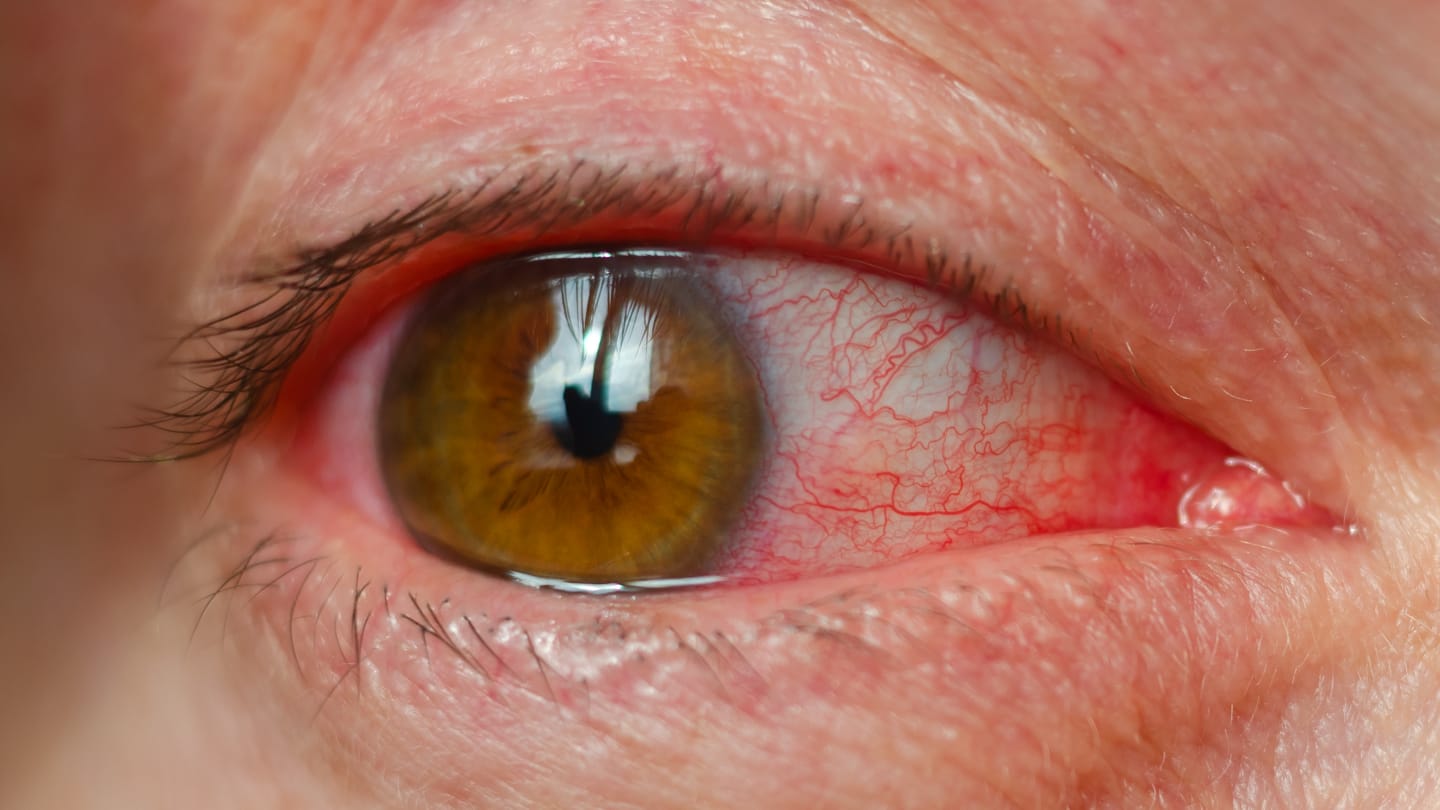
A history of human papillomavirus (HPV) infection may be associated with an increased risk of developing uveitis, according to a large retrospective study published in Scientific Reports.
Using data from the TriNetX US Collaborative Network, researchers analyzed electronic health records from more than 920,000 adults, including 460,932 patients with documented HPV infection and an equal number of propensity score-matched controls without HPV. The aim was to determine whether prior HPV infection – a common viral infection known for its role in cervical and other cancers – might also be linked to ocular inflammation.
Over a follow-up period of up to 15 years, patients with a history of HPV infection were 30 percent more likely to develop uveitis than matched controls.
The study is among the first to investigate a potential relationship between HPV and uveitis at a population level. While herpes simplex virus, varicella-zoster virus, and cytomegalovirus are established infectious causes of uveitis, the role of HPV has remained largely unexplored.
The study authors suggest several possible biological mechanisms. Persistent HPV infection is known to alter immune responses, activate inflammatory pathways such as NF-κB signaling, and increase production of pro-inflammatory cytokines including TNF-α. These same pathways have been implicated in the pathogenesis of non-infectious uveitis, raising the possibility that HPV-related immune dysregulation could contribute to ocular inflammation in susceptible individuals.
The increased risk was observed across most demographic groups. Notably, the association appeared strongest in men and adults aged 65 years or older. Patients with both HPV infection and herpes zoster infection demonstrated an almost threefold increased risk of uveitis compared with controls, suggesting that concurrent viral infections or broader immune dysfunction may amplify inflammatory risk.
Despite the large sample size and extensive matching for demographic, socioeconomic, and clinical variables, the authors emphasize that the findings should be interpreted cautiously.
The study relied on administrative diagnostic codes rather than clinically validated uveitis diagnoses, meaning some cases may have been misclassified. The researchers were also unable to distinguish between infectious and non-infectious uveitis, assess HPV genotype, or evaluate the potential influence of HPV vaccination status. As with all observational database studies, residual confounding cannot be excluded.
The findings also do not establish causality. The observed increase in risk was modest in absolute terms, and the authors note that greater healthcare utilization among patients with HPV infection could potentially contribute to increased detection of ocular disease.
Nevertheless, the work adds to growing evidence that systemic viral infections may have longer-term ophthalmic consequences beyond their primary sites of infection. Further prospective studies incorporating detailed ophthalmic examinations and clinically validated uveitis phenotypes will be needed to determine whether HPV plays a direct role in uveitis pathogenesis – and whether preventive strategies such as vaccination could influence ocular inflammatory risk.
