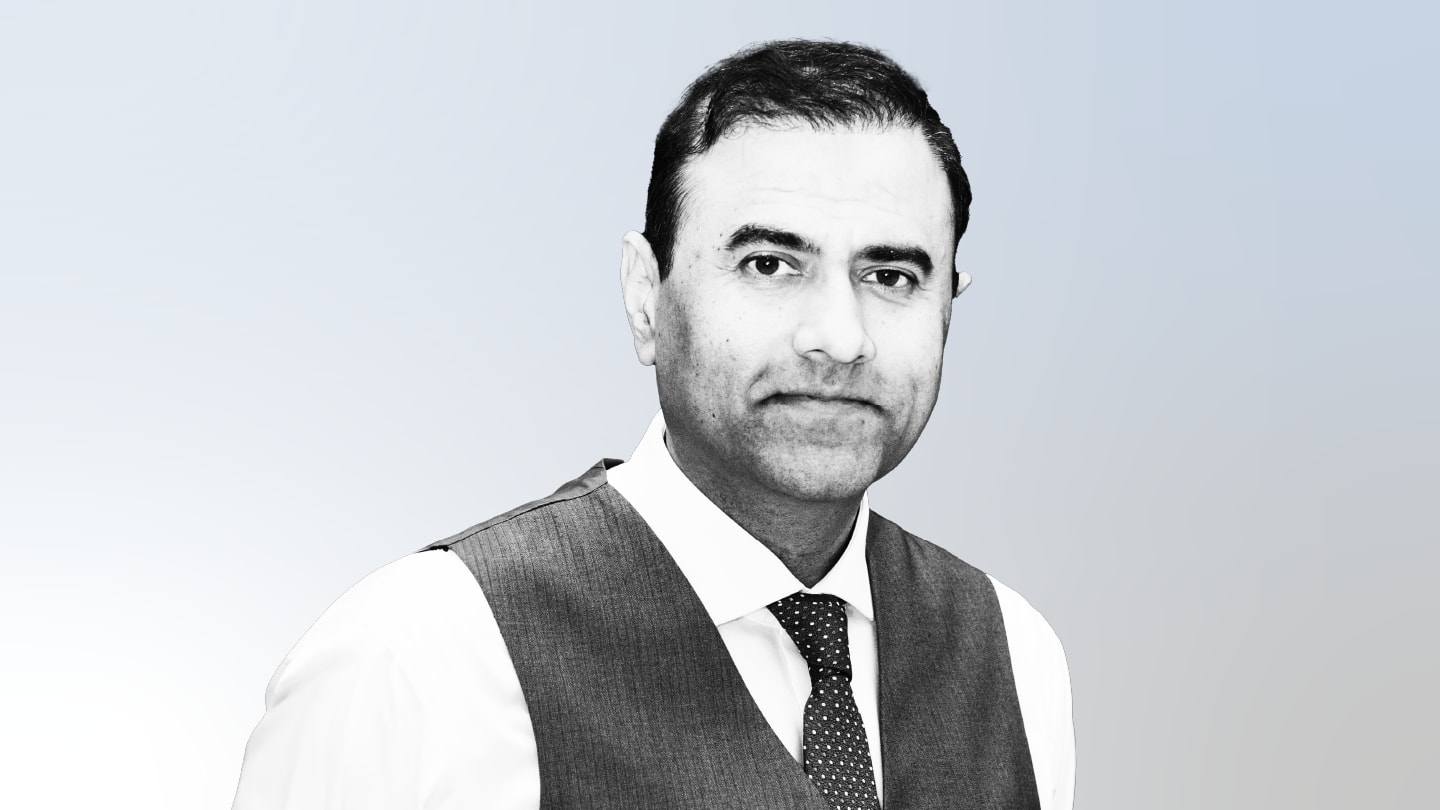
As my colleagues will no doubt agree, saving a patient’s sight is a highly rewarding experience. Ophthalmology gives a relatively quick recovery for patients; we operate and soon after they can see what’s around them.
One particular moment from my work has always stayed with me: an older lady, post-cataract surgery, exclaiming “I can see you doctor. It’s magic!” For this patient, cataract surgery gave her back her life and independence – a reminder that good eye health is intertwined in every aspect of life.
For over 20 years now, I have balanced surgery and eye care with teaching optometrists and ophthalmologists. I have worked at the College of Ophthalmology & Allied Vision Sciences, in government and private facilities, and now at the Dr. Faisal Masood Teaching Hospital in Sargodha / Sargodha Medical College, Pakistan.
Throughout my career, I have seen many changes in the country: improvement in awareness of health services; development of eye care institutions; training of professionals; NGOs, institutions and government working together. Health professionals are now working across more areas of Pakistan, and the number of optometrists and technicians is increasing. But there is still much work to be done.
Current barriers
At the hospital, we run a six-day schedule. We examine and diagnose patients, then select the patients for surgery. I join at least four surgery days, doing five to six operations a day. We work hard, but we know there are still people being left behind.
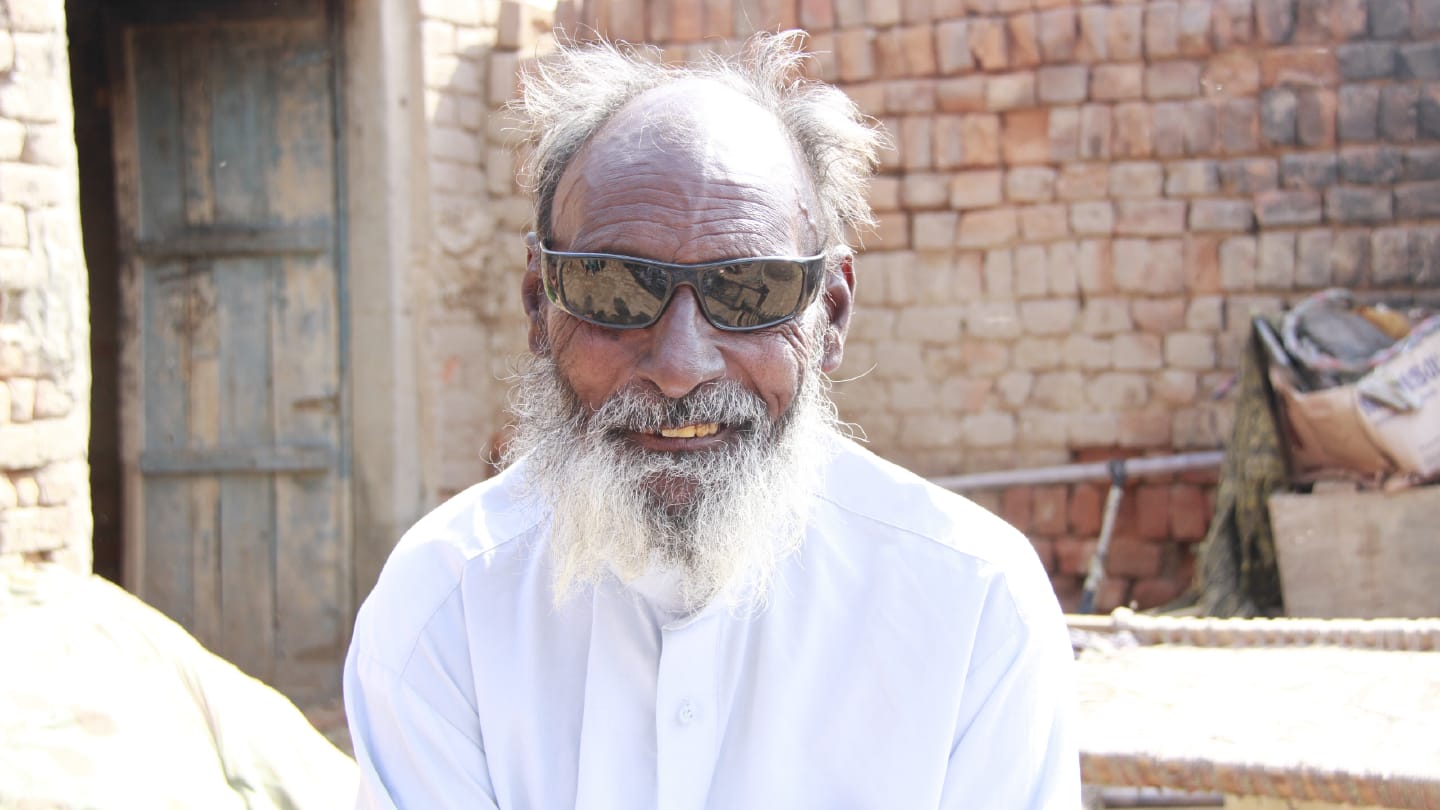
Public awareness of eye care and vision issues is lacking in Pakistan; many people don’t know how to prevent vision impairment. Even in urban areas, where there is good eye care provision, I see patients who have refractive errors but aren’t familiar with the conditions; I meet people who have approached other medical specialists about pain in their eyes before coming to me; if a child has headaches, some parents go to a neurologist because they don’t realize this could be connected to vision.
Myths and misunderstandings about vision impairment also remain prevalent. Some people think surgery can’t be done if the weather is too hot or too cold. Just recently, I saw a patient with a hard cataract – she had delayed coming to see me because she had been told cataracts could only be operated on when they get mature!
Even when people do understand their eye health, poverty can make treatment unaffordable for many – people on low incomes understandably prioritize feeding their children over going to the doctors.
Access to facilities also varies across the country. Travelling from remote and rural areas to health facilities can be difficult, with long distances to cover. Even if people are close to well-equipped facilities, awareness of the care available can vary greatly. I estimate that only around 10-20% of people who need surgery in the area come to our hospital.
These health services can also be inaccessible for people with disabilities, with stigma and discrimination also acting as barriers. In terms of social and cultural barriers, women may not be able to access services without permission from a male relative.
Away from the bigger cities, lack of resources can also be an issue. My department isn’t equipped with all the staff and equipment that this division would benefit from. When I worked in Lahore, we had more people in the team. Global conflicts have exacerbated this situation, as Pakistan doesn’t produce much equipment, instead depending on importing from other countries. In conflict situations, we are unable to do this.
Looking at the positives
However, there are positives to be found. A particular joy for me comes in the form of training the next generation of eye care practitioners. This training continues apace – I’ve trained optometrists and doctors, and now I see those doctors become consultants. It’s a great feeling for me to see the skills growth in the country.
There are also different NGOs helping us establish eye health programmes, improve health facilities, and scale up screenings and operations. The hospitals, government and institutions such as the College of Ophthalmology & Allied Vision Sciences are also working hard to improve eye care throughout the country.
Improving inclusivity
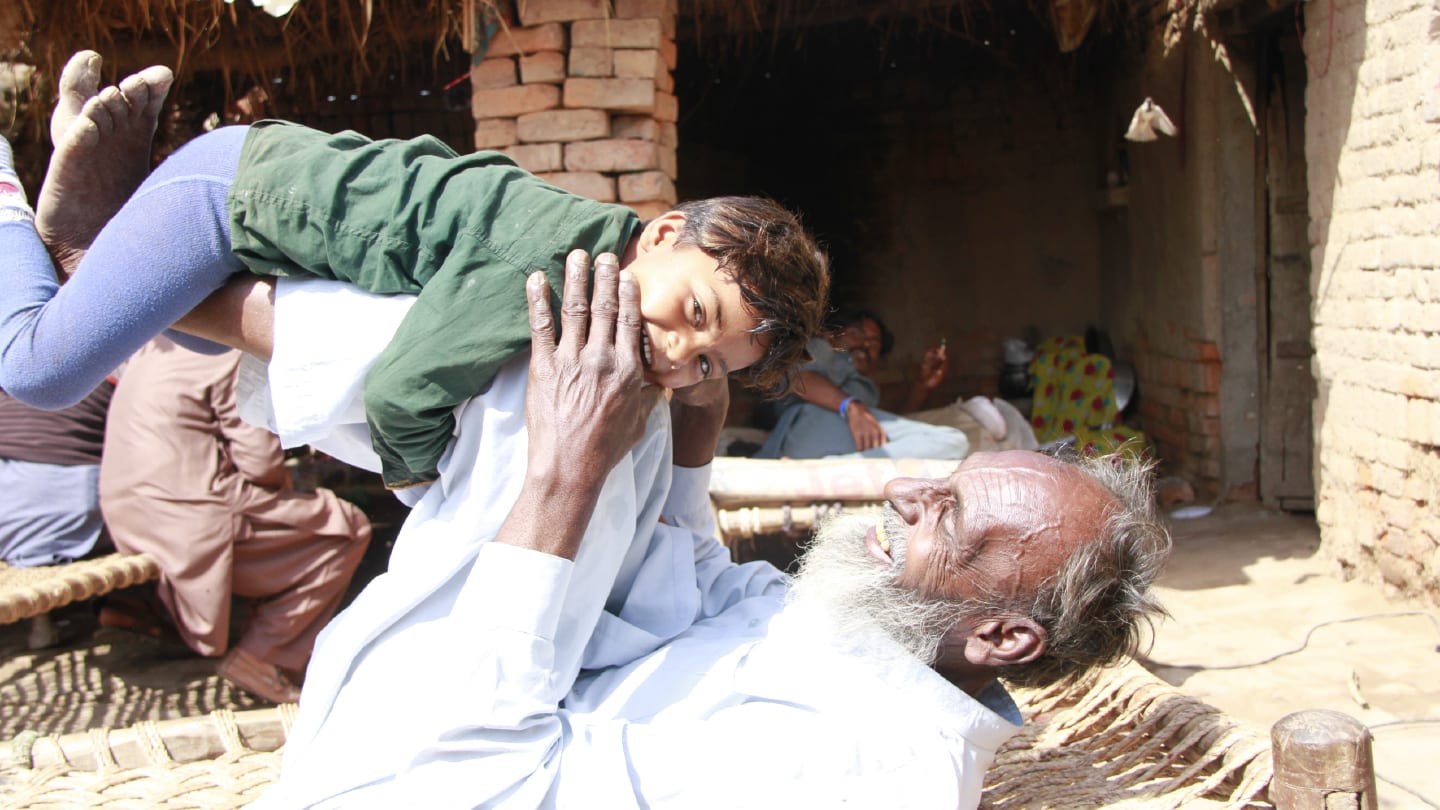
In partnership with international development organisation Sightsavers, the inclusive eye health project in the Khanewal and Sargodha districts is a good example of collaborative eye care efforts. The project aims to improve access to eye health services for everyone, including women, people with disabilities, and other marginalized groups, as well as strengthening existing eye health systems.
The project has acted as a “bridge” between patients in remote areas and our health facilities, enabling us to reach more patients, increase awareness, and offer free services, which enable more people to get the help they need without the financial burdens.
Health system successes are also happening as a result of this project. Sightsavers is helping to engage the health department, other hospitals, organizations for people with disabilities, and civil society organizations. As such, eye care services are becoming more integrated within primary health care, and eye health indicators are now being included in health information systems to help track prevalence of vision impairment.
The way forward
Whilst the health workers, government, and NGOs are doing excellent work here, there are still many improvements needed.
I believe health literacy is the crucial ingredient for improving vision in Pakistan. Educating people so that they have a better understanding of good eye health, what different vision conditions might look like, and the help and resources available to them can make a huge difference to the country’s eye care situation.
We also need to look at how to improve our follow-up system. Even if patients get as far as treatment or surgery, many don’t come back for later check-ups. This reluctance can largely be explained by affordability and accessibility of services. Even if a patient knows what condition they have, they may not necessarily have the money to use the services or return for follow-up. Or they may be lacking the transportation or support to make it into the hospital, or the facilities may be inaccessible for people with disabilities.
The country would benefit from increased resources, in the form of instruments, equipment, consumables, but also in terms of human resources. Ideally, I would like to see an increase in ophthalmologists throughout Pakistan; there is currently an insufficient number to tackle the level of need we are seeing. If we can train more doctors to continue beyond the working years of me and my peers, this will bring about long-term, sustainable change.
There is plenty of good work happening in ophthalmology in Pakistan, but more effort is required to ensure that everyone, including remote communities, women, and people with disabilities have access to the eye care services they sorely need. Our journey to further reduce preventable vision impairment is not over just yet.
